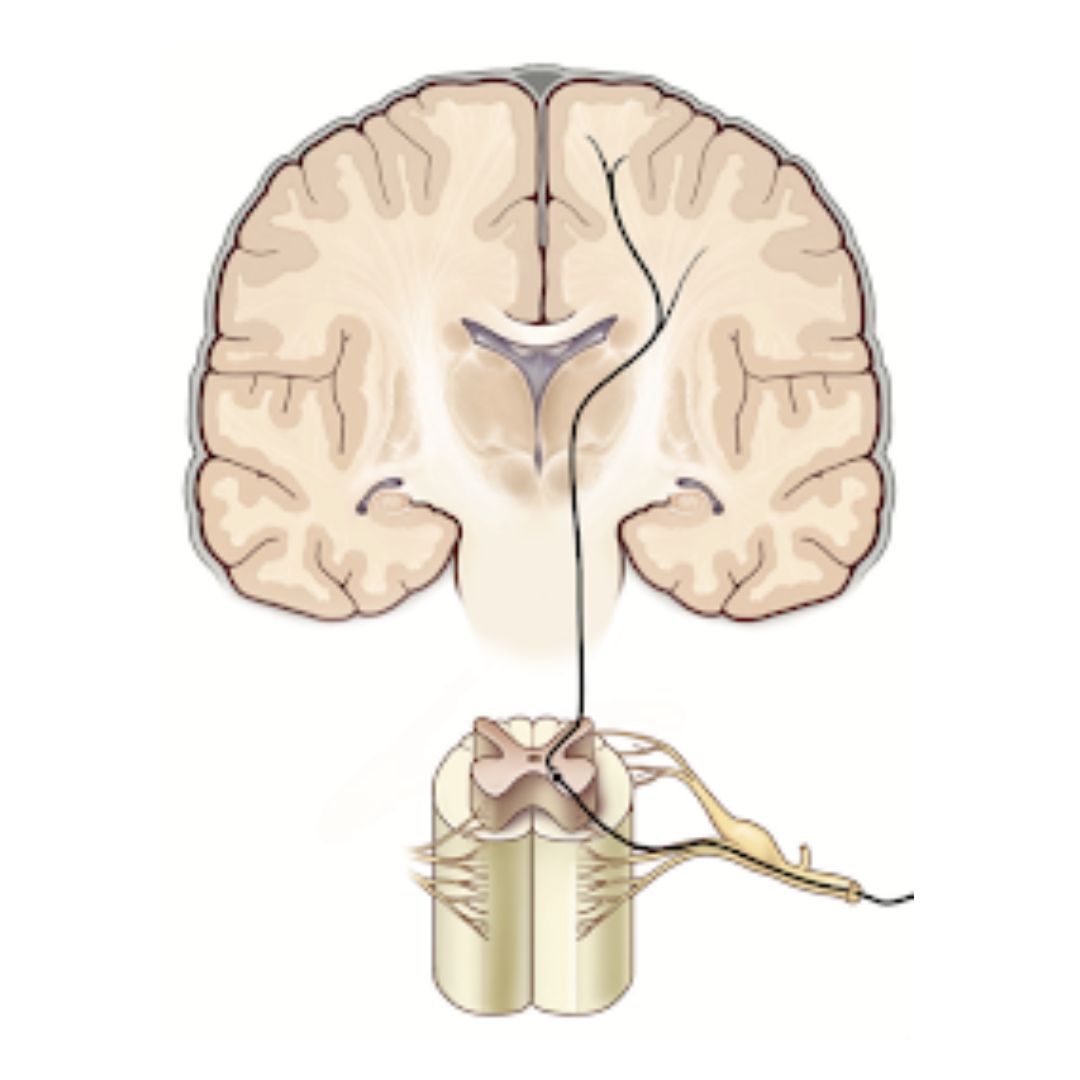
Nociplastic pain is the semantic term proposed by the international community of pain researchers to describe a third category of pain that differs mechanistically from nociceptive pain, which is caused by ongoing inflammation and tissue damage, and neuropathic pain, which is caused by nerve damage. The mechanisms underlying this type of pain are not yet fully understood, but increased pain and sensory processing in the CNS and altered pain modulation are thought to play an important role. Symptoms may include multifocal pain that is more widespread or more intense, or both, than would be expected given the extent of identifiable tissue or nerve damage, as well as other CNS-related symptoms such as fatigue, sleep, memory, and mood problems. This type of pain may occur in isolation, as is often the case in conditions such as fibromyalgia or tension-type headache, or as part of a mixed pain condition in combination with ongoing nociceptive or neuropathic pain, as can occur in chronic low back pain. It is important to recognise this type of pain because it responds to different therapies than nociceptive pain, as it responds less well to peripheral therapies such as anti-inflammatory medications and opioids, surgery, or injections.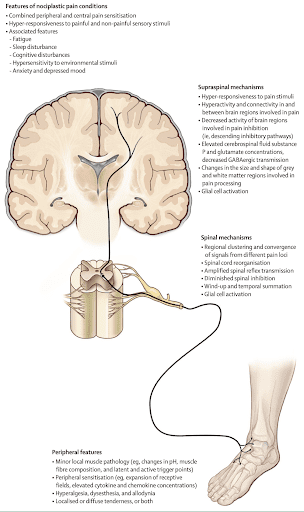 Overarching principles for the treatment of nociplastic pain
- A trusting doctor–patient relationship
- Psychoeducation (explanations using terms such as “overstimulated”, “sensitised” or “excited” nervous system, explanation of treatment strategies and developing realistic expectations)
- Promoting self-management and self-regulation
- Promoting healthy lifestyle habits (health-related physical activity, nutrition and weight management, sleep hygiene, stress reduction)
- Psychological approaches (cognitive behavioural therapy, acceptance-based therapies, hypnotherapy or psychodynamic therapies)Psychiatric-psychotherapeutic treatment of psychological comorbidities Physical therapies, osteopathy (insertion of Liem), chiropractic, acupuncture, massage or naturopathy
- Pharmacological treatments as a second step (e.g. centrally acting medications (pain modulators), tricyclic antidepressants, serotonin-norepinephrine reuptake inhibitors, gabapentinoids and other membrane stabilisers)Simple analgesics and non-steroidal anti-inflammatory drugs have little effectIdeally, opioids should be avoided
- Neuromodulation
- Interdisciplinary care
Fitzcharles MA, Cohen SP, Clauw DJ, Littlejohn G, Usui C, Häuser W. Nociplastic pain: towards an understanding of prevalent pain conditions. Lancet. 2021 May 29;397(10289):2098-2110. https://pubmed.ncbi.nlm.