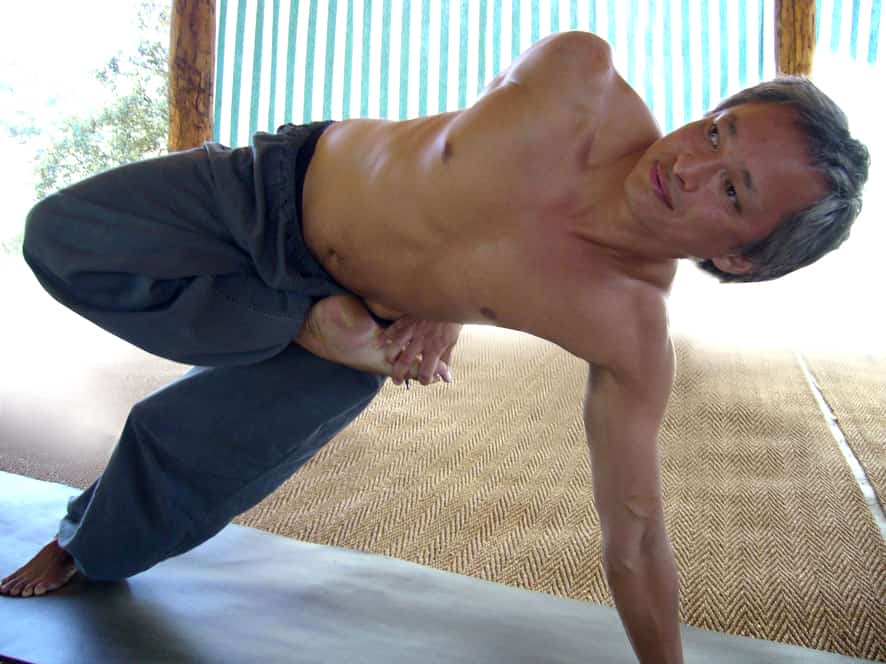
The roots of yoga lie in India, where it has been part of traditional spiritual, philosophical, and psychological practice for approximately 3,000 years. Traditionally, yoga is not a religion and is more than just a spiritual direction: rather, original yoga is a way of life shaped by ethical and spiritual principles and guidance for living, with the ultimate goal of uniting body, soul, and mind (Feuerstein 1998). Thus, the primary aim of yoga is not to accomplish some form of physical acrobatics, but rather to experience more presence, joy, and vitality in the moment through regular practice, awareness, concentration, and self-discipline. Since the Western world’s contact with Indian yoga philosophy, yoga has become a popular means of promoting physical and mental well-being in the USA and Europe and has also attracted the attention of health researchers. Patañjali, as the “father of yoga,” composed the so-called Yoga Sutras (guideline of yoga), and the majority of modern yoga schools teach at least in part according to the “limbs of yoga” defined by Patañjali (Feuerstein 1998). The table above makes it clear that classical yoga consists of many different aspects. Nowadays and in the Western world, yoga has been modified for use in complementary and alternative medicine. In clinical settings and yoga schools, there is frequently a combination of physical postures (asanas), breathing techniques (pranayama), and meditation (dhyana), which represents a rather physical approach (De Michelis 2005). From Liem 2009: Osteopathy and (Hatha) Yoga, Journal of Bodywork and Movement Therapies 2011; 15 (1), 92-102. Researchers are increasingly interested in yoga as an adjunctive therapy, e.g., for lifestyle-related diseases, depression, and breast cancer, as yoga combines movement and relaxation.Yoga Research
- Yoga and the Psyche
Psychological stress is associated with an imbalance of the autonomic nervous system (ANS), characterized by decreased parasympathetic activity (especially the vagus nerve) and increased sympathetic activity. Additionally, stress exposure leads to underactivity of the inhibitory neurotransmitter gamma-aminobutyric acid (GABA). It is believed that yoga can reduce the allostatic load in stress response systems and thus restore optimal homeostasis by stimulating the vagus nerve, which can lead to normalization of the GABA system. Stress plays a central role particularly in the conditions of depression, epilepsy, post-traumatic stress disorder (PTSD), and chronic pain. These states are characterized by low parasympathetic activity as well as low GABA system activity, which can be harmonized through yoga-based interventions. Therefore, it is assumed that yoga can improve function in those regions of the brain that regulate the response to threat, such as threat perception, interoception, anxiety processing, emotion regulation, and defense responses. Overall, one can say that yoga not only promotes the flexibility of the body but also the central regulatory systems in the brain. The harmonizing effect of yoga on the parasympathetic nervous system is based on yogic breathing, which is applied in various yoga practices. Our emotions significantly influence our breathing. Consciously controlled breathing patterns influence the entire ANS (Streeter et al 2012). This is now well documented by studies: Brown and Gerbarg provided evidence that yoga breathing (especially “Coherent Breathing,” “Resonant Breathing,” and “Ujjayi”) increases heart rate variability, improves sympatho-vagal balance, and promotes stress resilience (Brown & Gerbarg 2005, 2009). Cortisol levels and GABA levels in the brain are biological markers for stress (Pike et al 1997). In depression, PTSD, and epilepsy, elevated cortisol levels are found, indicating increased HPA axis activity, and decreased GABA system activity. Studies suggest that yoga interventions can reduce stress-induced allostatic load in three stress-responsive systems (ANS, HPA axis, and GABA system) (Streeter et al 2012).
- Yoga and Hypertension
In addition to pharmacological treatment of hypertension, patients are also recommended lifestyle modifications such as dietary changes and increased physical activity. Due to its relatively simple implementation and strong emphasis on relaxation, yoga represents a good alternative to conventional exercise programs and lifestyle interventions (e.g., cardiovascular training). As early as the 1970s, Patel and North were able to show that yoga can have a blood pressure-lowering effect (Patel & North 1975). However, more recent studies have not been able to significantly reproduce this effect. Nevertheless, yoga interventions performed just as well as, for example, stretching (Hagins et al 2014). Studies demonstrate improvement in physical performance through yoga (Cramer 2015), which is why it can certainly be recommended as a lifestyle intervention for hypertension. The underlying mechanism of action also relates to the regulation of the autonomic nervous system. An imbalance toward the sympathetic nervous system can increase blood pressure and contribute to the development of hypertension. Such hyperactivity of the sympathetic branch of the ANS is frequently associated with chronic stress. As already outlined above, it is assumed that yoga can activate the GABA system and the parasympathetic nervous system and thus counteract the stress-induced overactivity of the sympathetic nervous system (Cramer 2015). In this regard, it appears that slow yogic breathing, relaxation, and meditation are more responsible for parasympathetic activation than the asanas (physical postures) (Markil et al 2012).
- Yoga and Overweight
In a randomized controlled study, the effect of yoga on waist circumference (primary outcome) as well as on waist-to-hip ratio, body weight, BMI, body fat percentage, body muscle mass percentage, blood pressure, health-related quality of life, self-esteem, subjective stress, body perception, and the safety of the intervention (as secondary endpoints) was investigated. After completion of the 12-week yoga intervention, waist circumference in patients in the intervention group decreased significantly by an average of 3.8 cm, without the use of a calorie-reduced diet. In addition, further moderate differences were observed in waist/hip ratio, body weight, BMI, body fat percentage, body muscle mass percentage, psychological and physical well-being, self-esteem, subjective stress, body awareness, and confidence in body sensations (all significant). The researchers concluded that yoga represents a safe and effective technique for normalizing body weight (Cramer et al 2016).
- Yoga and Chronic Pain
A meta-analysis from 2013 was able to show that yoga has a positive influence on lower back pain. Ten studies with a total participant number of around 1,000 patients were included in the analysis. Yoga showed both short-term and long-term effects on pain as well as functional limitations (Holger et al 2013). Yoga as an isometric form of movement can thus counteract musculoskeletal pain. What distinguishes yoga from other movement therapies is the conscious execution of the asanas, without letting thoughts run free. Rather, in yoga the mind is also included in the practice by consciously perceiving muscle tone and joint positions. This trains attention (or interoception) to one’s own body, which helps to notice and correct poor posture even outside the time spent on the mat, thereby counteracting pain. Thus, yoga can contribute to increased pain acceptance (Cramer 2017).
- Yoga and Cancer and Fatigue Syndrome
Due to its positive effects on stress and psychological burden, yoga is increasingly being used in supportive cancer therapy. A high-quality review by the Cochrane Collaboration was able to show that yoga can promote quality of life and improve fatigue syndrome. Data from approximately 2,100 patients with breast cancer were evaluated (Cramer et al 2017). Yoga and Osteopathy Although historically there are many differences between yoga and osteopathy, there are also significant overlaps. The most significant commonality is the assumption that body, mind, and soul form a unity and that the access to this unity is the body. While osteopathy is a manual treatment concept with a focus on health promotion in the organism, traditional yoga forms (Hatha yoga and yoga according to Patanjali) are based on the individual experience of awareness and transcendence. This is to be promoted through regular practice, responsibility, and insight of teacher and student. In osteopathic treatments, patients remain rather passive and the responsibility lies with the treating person (Liem 2009). For one’s own inner growth, it is essential to engage with the formative factors of physicality in order to understand, accept, and integrate them. These include, among others:
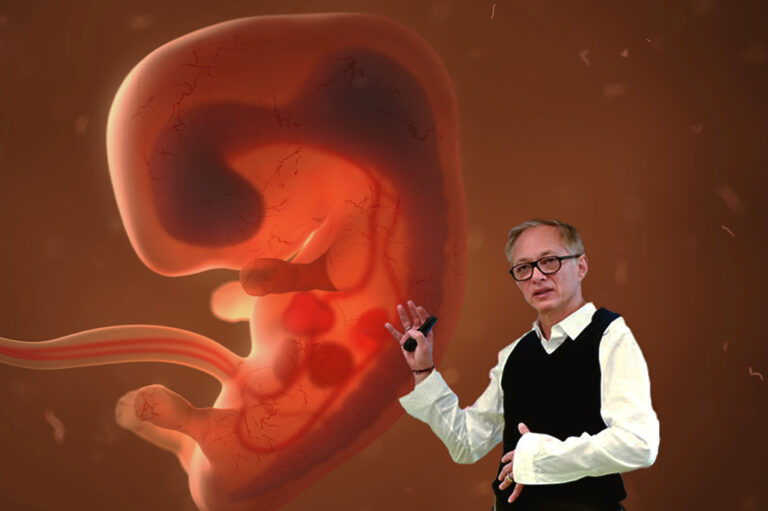
- Pre- and perinatal experiential worlds
- Health status of parents
- Physical and neurobiological mechanisms of action
- The familial, emotional, historical, cultural, and societal environment and the biosocial environment in which we grow up and live
- Birth experiences as well as especially the first years of life
- Nutrition
- Illnesses, accidents, psychological traumas
- Learning and working conditions
All these factors influence our body and its physiology, our way of feeling, thinking, and our perception of the world. Furthermore, emotional, thought, and belief patterns also manifest in our body. Thus, each person shows very specific physical characteristics, postures, and tensions depending on the experiences they have accumulated. When properly applied, yoga and osteopathy support the organism in deconditioning abnormal chronic body tensions and poor postures by gently integrating limiting emotional, thought, and belief patterns. In yoga, this occurs through the connection of asanas with conscious breathing and inner focus, which activate inner resources and enable more flexible engagement with life. In an osteopathic treatment, dysfunctions are found and treated, which not only has an influence on the body. Potentially, associated energy-consciousness patterns are also treated and integrated. For these reasons, yoga as a self-experience system represents a valuable enrichment for osteopathy as a medical treatment system (Liem 2009). Which yoga form is right for me? Here you will find a brief overview of some yoga types practiced in the West: Anusara Yoga
- Precise body alignment in flowing movement sequences (less dynamic than Vinyasa Flow) are taught with a life-affirming Tantra-philosophical orientation.
- Each class begins with a short lecture.
- Suitable for beginners and advanced practitioners.
Bikram Yoga
- Here a sequence of 26 body postures is practiced at high room temperature (38-40°C).
- Coordination, stretching, strength, concentration, and detoxification through sweating are promoted.
- Suitable for healthy people who want to challenge themselves physically, practice awareness, and sweat.
Hatha Yoga
- Hatha Yoga techniques begin with the body (asanas) and then continue through the breath (pranayama) to the mind (meditation).
- Almost all other styles have developed from the original teachings of Hatha Yoga.
- Suitable for beginners, as usually slow and relaxed exercises are performed.
Iyengar Yoga
- The focus here is on the practice of very precise statically held asanas.
- Props such as blocks and straps are frequently used.
- Pranayama is also applied.
- Suitable for people seeking precise bodywork.
Kundalini Yoga
- Exercise sequences for specific
- Yoga form in which chanting, breathing exercises, meditation, and asanas are combined and taught with variation according to an overarching theme depending on the class.
- Mantras and chants and religious background originate from the tradition of the Sikhs, an Indian religious community.
- Suitable for people who value a spiritual component.
Sivananda Yoga
- In addition to asanas and pranayama, meditations and teachings with a religious Hindu background are usually taught.
- The physical exercises are not very dynamic; frequently the Rishikesh series, which consists of twelve fixed asanas, is applied.
- Suitable for beginners who feel drawn to Hindu philosophy.
Trauma-Oriented Yoga
- By specially trained yoga teachers for traumatized people or people with post-traumatic stress disorder.
- Similar to Yin Yoga, the focus is on deceleration, relaxation, and calm.
- Suitable for traumatized or very stressed people.
Vinyasa Flow or Power Yoga
- Dynamic yoga form in which movements are synchronized with breathing
- Challenges the body and calms the mind
- Only a small meditation component
- Suitable for people seeking a challenging, dynamic, and powerful yoga practice.
Viniyoga
- Therapeutic yoga in which the individual is addressed very individually.
- Usually taught in individual sessions or small groups.
- Slow yoga in which asanas are not a yoga style, but rather an adaptation of yoga practice to the goals and possibilities of the individual practitioner.
- It includes individually adapted asanas, as well as breathing exercises and meditation
- Suitable for people with less fitness and physical limitations.
Yin Yoga
- Asanas are held for several minutes in very calm execution and with hardly any muscle tension in order to sustainably stretch connective tissue and muscles, learn deep relaxation, and train the mind. Very calm execution
- Often practiced as a balance to dynamic yoga directions.
- Suitable for beginners and for relaxation and as a balance to dynamic yoga practices.
Basically, when one wants to begin with yoga, it is advisable to seek out a teacher with many years of experience or an established studio. Many health insurance companies, for example, offer certified introductory yoga courses.
References
Brown RP, Gerbarg PL. Sudarshan Kriya Yogic breathing in the treatment of stress, anxiety, and depression: part II—clinical applications and guidelines. J Altern Complement Med. 2005;11(4):711-717 Brown RP, Gerbarg PL. Yoga breathing, meditation, and longevity. Ann N Y Acad Sci. 2009;1172(1):54 Cramer H. The Efficacy and Safety of Yoga in Managing Hypertension. Exp Clin Endocrinol Diabetes. 2015;124(2):65-70 Cramer H. Wo und wie wirkt Yoga? – Eine wissenschaftliche Bestandsaufnahme. Dtsch Medizinische Wochenschrift. 2017;142(25):1925-1929 Cramer H, Lauche R, Klose P, et al. Yoga for improving health-related quality of life, mental health and cancer-related symptoms in women diagnosed with breast cancer. Cochrane Database Syst Rev. 2017;2017(1) Cramer H, Thoms MS, Anheyer D, et al. Yoga bei Frauen mit zentraler Adipositas: Eine randomisierte kontrollierte Studie. Dtsch Arztebl Int. 2016;113(39):645-652 Feuerstein G, Prescott A. Third Edition ‘The ‘Tradition Its History, Literature, Philosophy and Practice Its History, Literature, Philosophy and Practice HOHM PRESS. Hagins M, Rundle A, Consedine NS, et al. A randomized controlled trial comparing the effects of yoga with an active control on ambulatory blood pressure in individuals with prehypertension and stage 1 hypertension. J Clin Hypertens. 2014;16(1):54-62 Holger C, Lauche R, Haller H, et al. A Systematic Review and Meta-analysis of Yoga for Low Back Pain. Clin J Pain. 2013;29(5):1-11 Liem T. Osteopathie und ( Hatha- )Yoga. Journal of Bodywork and Movement Therapies 2011; 15 (1), 92-102 Markil N, Whitehurst M, Jacobs PL, et al. Yoga Nidra relaxation increases heart rate variability and is unaffected by a prior bout of Hatha yoga. J Altern Complement Med. 2012;18(10):953-958 De Michelis E. A History of Modern Yoga: Patanjali and Western Esotericism. A&C Black; 2005 Patel C, North WRS. Randomised controlled trial of yoga and bio-feedback in management of hypertension. Lancet. 1975;306(7925):93-95 Pike JL, Smith TL, Hauger RL, et al. Chronic life stress alters sympathetic, neuroendocrine, and immune responsivity to an acute psychological stressor in humans. Psychosom Med. 1997;59(4):447-457 Streeter CC, Gerbarg PL, Saper RB, et al. Effects of yoga on the autonomic nervous system, gamma-aminobutyric-acid, and allostasis in epilepsy, depression, and post-traumatic stress disorder. Med Hypotheses. 2012;78(5):571-579