For decades, I only slept a few hours a night because I prioritized my work over sleep. Eventually, I wanted to change this situation. I tried many things and improved my sleep through very small, incremental steps.
One step in this process was the Eight Sleep Pod. Here is a brief insight into my journey toward better sleep with the help of the Eight Sleep Pod.
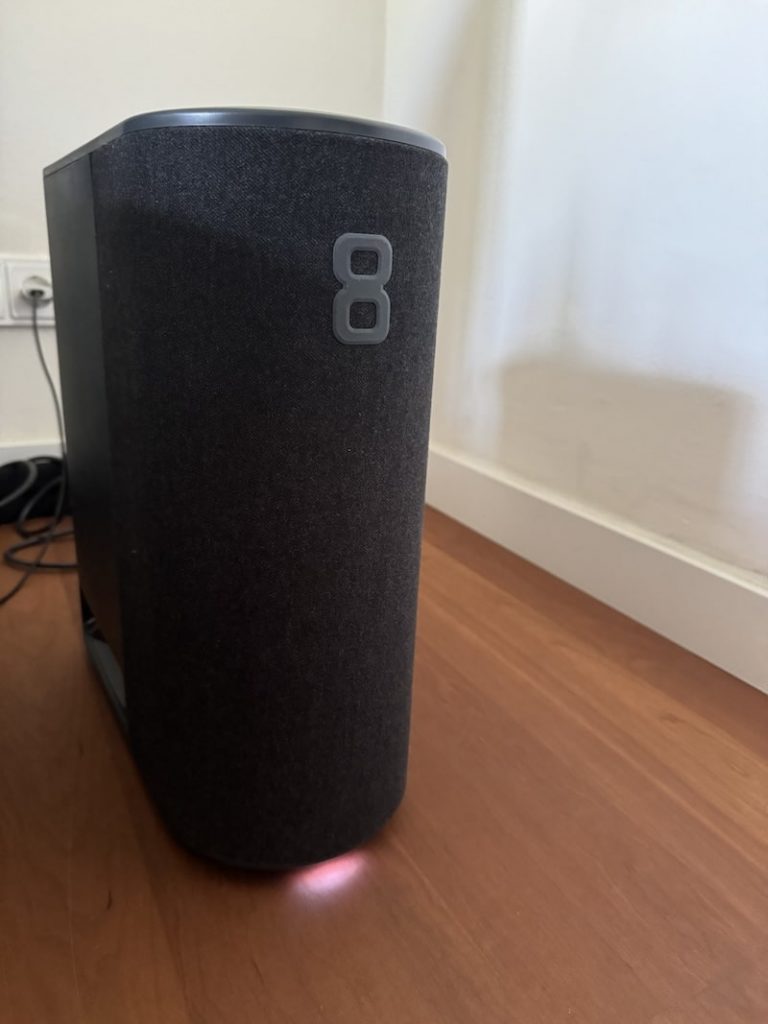
The Eight Sleep Pod is a smart mattress cover that uses integrated technology to automatically adjust the temperature to improve sleep comfort and quality. It also offers features for sleep monitoring and control via a mobile app.
Initially, I had the problem that the sizes of the Eight Sleep Pod cover do not fit all mattresses. My mattress was 2 meters wide. Admittedly, that width is more than sufficient. Since my mattress was already 12 years old, I took the opportunity to purchase a new—slightly smaller—mattress.
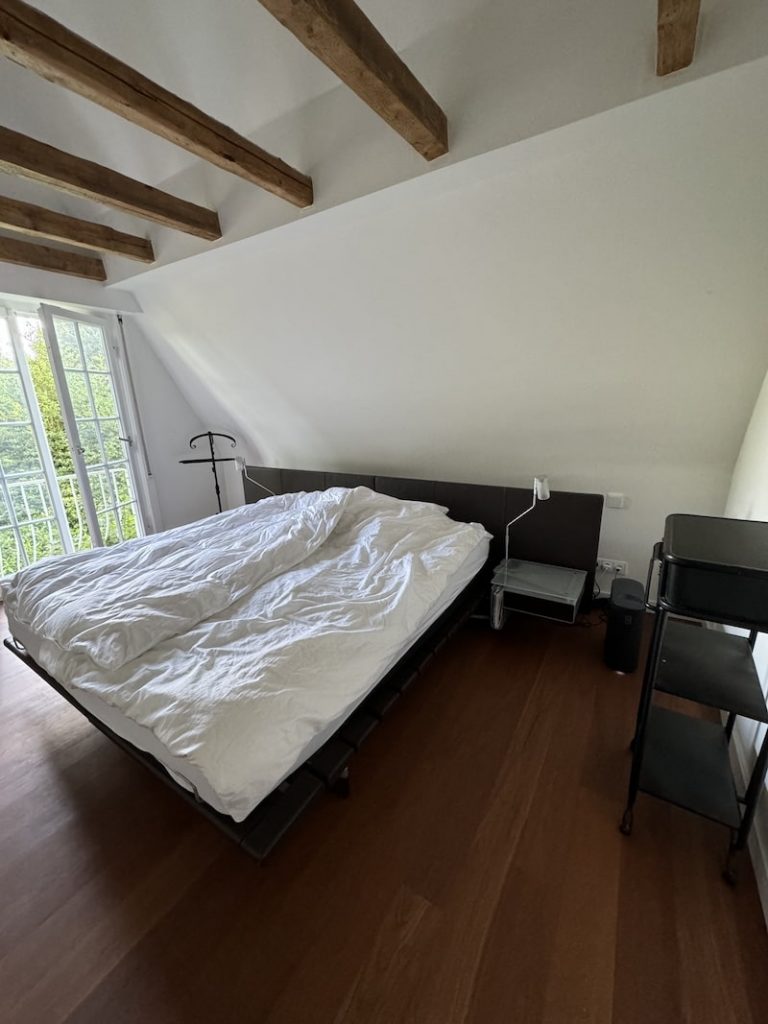
The journey began on November 21, 2023. That night, I slept for 6 hours and 27 minutes. However, I had an extra-relaxed day and had taken several milligrams of melatonin. The real test was whether this improvement would last. As I monitored my sleep over the following weeks, I found that both the quantity and quality of my rest had indeed improved slightly. The new year brought further success. On February 12, 2024, I slept for 7 hours and 46 minutes. Overall, however, the results were not consistent; depending on external and internal stressors, there were also significantly shorter sleep times. Nevertheless, for me, the Eight Sleep Pod has remained a piece of the puzzle for better sleep.
Another important aspect for me is that my wife likes it warmer while sleeping, and I prefer it colder. With the cooling and heating functions of the Eight Sleep Pod, we can regulate our sides of the bed independently of each other. This is very helpful.
For me, the limitations of the Eight Sleep Pod include the noise generated during the night. The central unit, the so-called Hub, or rather the heating and circulation pump contained within it, makes noise. This bothers me a little, as I was previously used to sleeping in absolute silence. I cover a small light at the bottom of the device because I want to sleep in total darkness at night.
The Eight Sleep Pod measures sleep metrics using various sensors contained within the mattress cover. The CPU unit processes and analyzes the sleep data. However, these data differ significantly from other sleep trackers. In my estimation, the measurement results of all sleep trackers available to the average consumer are relatively inaccurate.
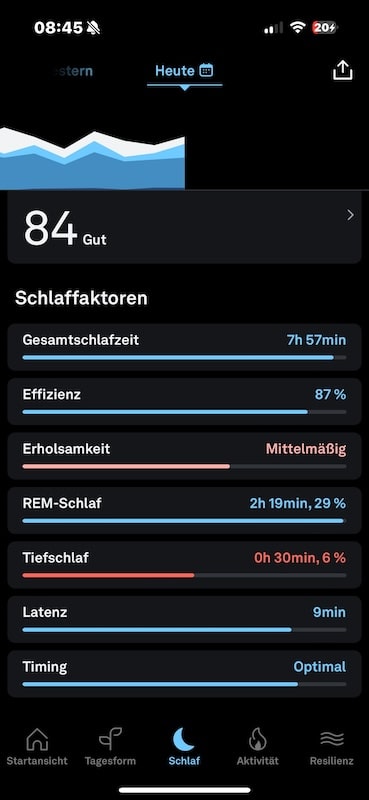

However, I find other measurements from sleep trackers to be somewhat more precise compared to Eight Sleep and no longer use the data from the Eight Sleep Pod as bio-feedback for myself. For example, on June 21, I had a sleep score of 84% with Oura, which is rated as good, but only 30 minutes of deep sleep, divided into a short phase just before 2 AM and a longer deep sleep phase just before 6 AM. In contrast, with the Eight Sleep measurement, I received a sleep score of 100% and a deep sleep duration of 1.11 hours, which was supposed to have taken place between 11 PM and 1 AM. Such discrepancies are constant.
So, if you have a few thousand euros to spare—it costs from 2,400 euros upwards—I can recommend trying out the Eight Sleep.