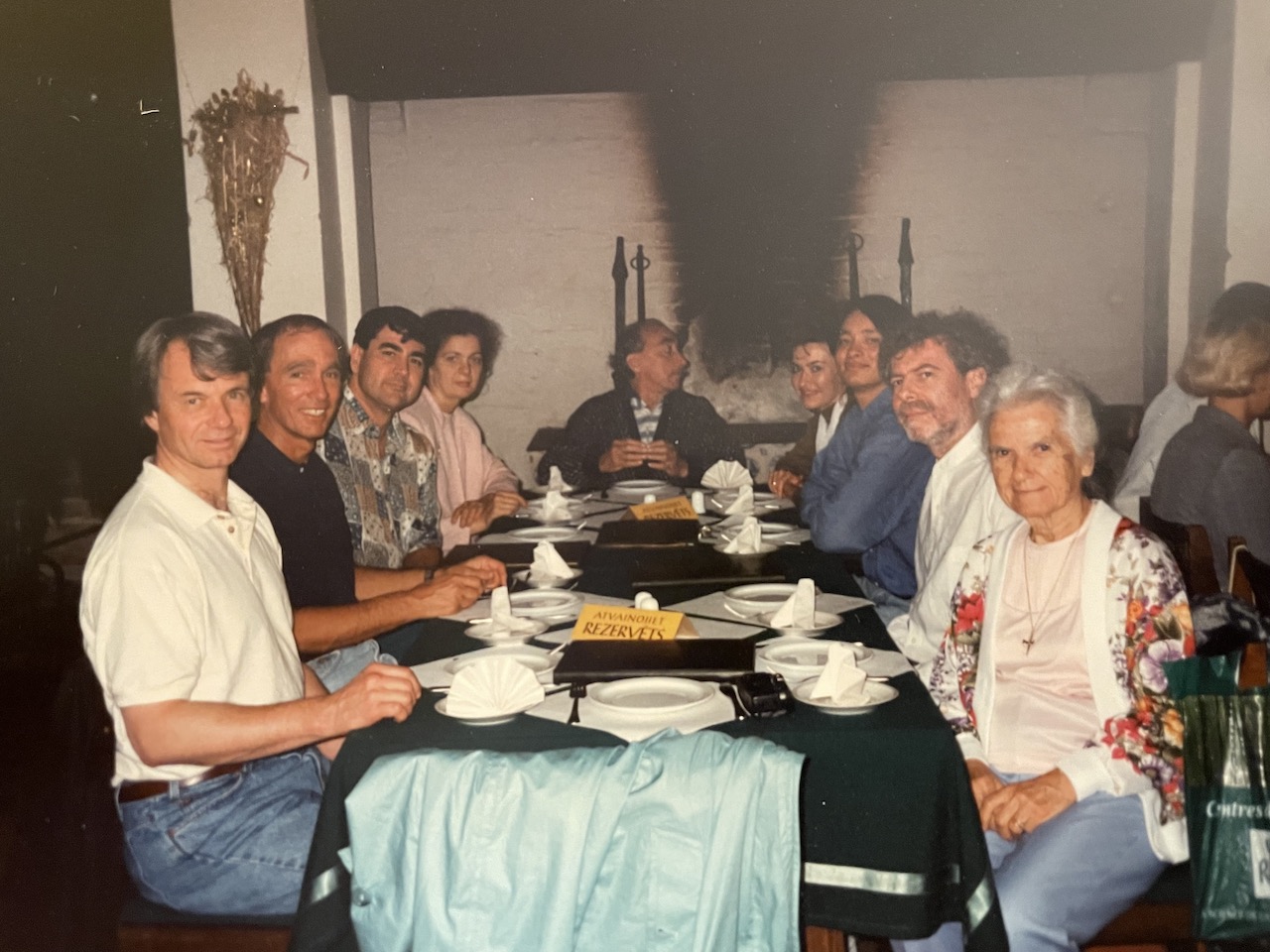
Here is a photo from a pediatric osteopathy workshop in Riga, Latvia, in 1990, to which Viola Frymann invited me. She possessed the competence to bring together interdisciplinary experts. The workshop was magnificent; Dr. Frank Willard, Dr. Peter Springall (neurologist), Dr. Claude Valenti (ophthalmologist), and Dr. Yuri Moskalenko complemented Viola Frymann’s practical teaching content. She was full of inspiration and energy. I remember well how I had to exert myself during walks with her to keep up with her pace while simultaneously following the conversation. On today’s anniversary of the passing of my teacher Viola M. Frymann, D.O., I am providing an inspiring foreword that she wrote in 2008 as a preface for a book on pediatric osteopathy by Christoph Plothe and myself. Furthermore, you can view a very inspiring lecture by Viola Frymann from a 2007 OSD congress in Berlin here free of charge: https://osteopathie-liem.de/viola-frymann/.Foreword by Viola Frymann, D.O.The art and science of osteopathy originated during a time of great suffering for Dr. Andrew Taylor Still, the founder of this healing method. He served in the American Civil War and realized that he had not been sufficiently prepared to treat the soldiers who were dying of acute infections before his eyes. And when he returned home, he had to witness three of his children pass away from meningitis despite the best medical care available at the time. Consequently, he began his intensive studies of the human body. He examined the smallest details of its structure and its relationship to function, eventually reaching the following conclusions: First, the patient is a unit in which structure and function are interdependent. Second, this is expressed in the body through the inherent capacity for self-healing. Consider, for example, a wound that has been sutured and then bandaged. A week later, the bandage is removed and the sutures are taken out. The wound is healed. But who healed it? The patient’s own body did. This happens in the same way with a bone fracture, an infection, or other problems. Third, the body possesses an immune system that can overcome infections. In 1894, Dr. Still began teaching these principles in Kirksville, Missouri. He developed osteopathic techniques that restored the optimal structure of the body and its functions. Patients felt noticeably better quickly. His reputation spread rapidly, and he was soon known throughout the country. Over the years, osteopathy has integrated many other medical developments, yet these three principles remain the basis of the therapy to this day. As early as 1899, one of Dr. Still’s students had a challenging inspiration that has also lost none of its relevance: that these principles are also valid in the cranial field. Over the years, William Garner Sutherland developed cranial osteopathy, the primary respiratory mechanism. But you are probably wondering now: Why should I bring my child to an osteopath? Well, did your child have a long or problematic birth? Was it difficult to establish breastfeeding? Was the child hesitant to latch? Did your baby “spit up” after feeding? Did your baby cry, and did you have to carry them around to soothe them? If your answer to these questions is “yes,” it is very likely that your child is subject to structural stresses within the musculoskeletal system that impair normal tissue function. Therefore, it can be particularly important for such a child to be presented to an osteopath who specializes in pediatric osteopathy in the cranial field. They should perform a structural assessment of the child as soon as possible to restore their health and well-being. Perhaps your child processed these birth-related issues well and is developing normally. But now, suddenly, there are problems in the classroom. The child is inattentive, speaks when they should be listening, takes too long with homework, and suffers injuries because they do not see the ball approaching to catch it or avoid it. The osteopath will now perform a detailed assessment. This includes the pregnancy, labor, and early postnatal events; it may turn out that some of the problems just described have their roots in this period. However, it is also possible that there are neurological connections in your child’s developmental history: a persistent inability to crawl or hop, visual problems such as the inability to follow an object with the eyes (which is essential for reading, for example), to adjust the eye to focus on a near object, or to follow a fast-moving object. These dysfunctions can also stem from trauma during a long or difficult birth. They should be carefully assessed by an osteopath and treated accordingly. Even if your child has been diagnosed with a congenital disease or a structural abnormality in the brain, and healing or restoration may not lie solely within the spectrum of the body’s self-healing powers, a careful osteopathic assessment can in many cases reveal that these children nevertheless possess remarkable potential for positive change. The goal is for them to develop their possibilities optimally, and experience shows that the result often exceeds our greatest expectations. Osteopathy can contribute a great deal to this. With this book, Torsten Liem and Christof Plothe convey confidence where there may have been discouragement before. And although faith is the substance of our hopes, the essence of things not seen, they rely on the body’s own therapeutic competence and the potential for positive change, which experience shows consistently benefits even those who are skeptical. In this sense, the book will offer you valuable suggestions and be a reliable companion in your child’s healing process. Viola Frymann




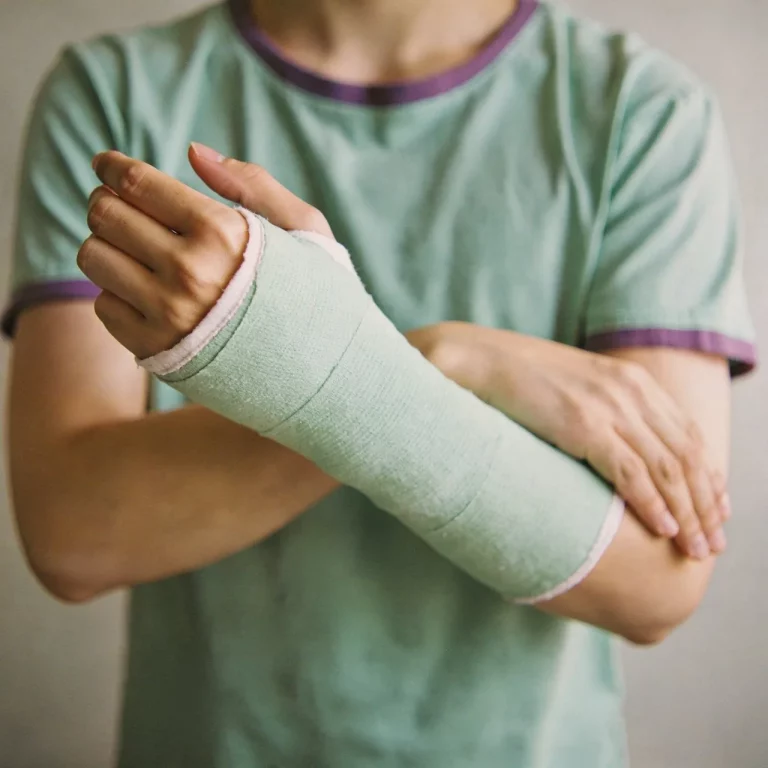
Radial Head Fracture: Osteopathic Treatment Step by Step
Torsten Liem, CEO of Osteopathie Schule Deutschland, is not only an expert in this field but also founded the Osteopathic Research Institute as well as