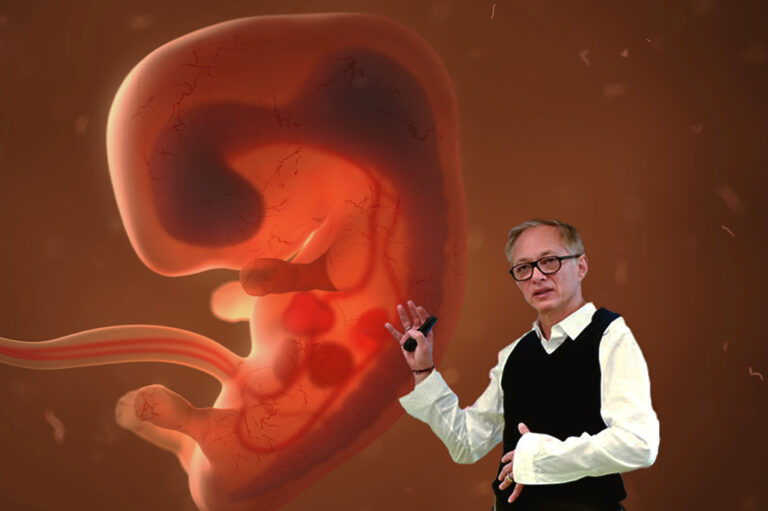
The term epigenetics comes from ancient Greek (epigénesis) and means “in addition/besides” and “descent/origin.” While genetics as a science deals with the inheritance and development of traits (genes), epigenetics addresses the question of which factors determine the activity of a gene. It investigates changes in gene expression that are not based on DNA sequence alterations, e.g., through mutations or recombination. Epigenetic mechanisms are therefore not able to change our DNA sequence (genotype) (Bird 2007). Rather, they determine which genes are activated and converted into proteins or which genes are “silenced.” Thus, they significantly influence the development of the phenotype (the totality of all morphological and physiological characteristics) (Margueron et al. 2010). The most important epigenetic mechanisms involved in the development and differentiation of various cell types are:
- microRNA (non-coding RNAs)
- Histone modification
- DNA methylation (DNA methylation is an epigenetic mechanism in which the attachment of methyl groups to DNA modifies the function of genes by influencing their expression (mostly) through inhibition of transcription) (Randunu 2020)
How does our diet influence the epigenome?
Well-documented historical famine episodes have been used by science to investigate the link between prenatal nutritional stress and the risk of chronic diseases in adulthood through cross-sectional and longitudinal studies. It was found that maternal nutrition during the perinatal period (the period between the 28th week of gestation and the 7th day after birth) has a significant impact on the children’s later phenotype. For example, prenatal famine exposure reduced fetal growth, decreased glucose tolerance in adulthood, and led to a higher BMI and waist circumference in women. Thus, it was demonstrated that nutrition can modulate global methylation levels in gene regulatory regions (Navarro 2017).
How can epigenetic mechanisms modulate the risk of developing an NCD?
NCD stands for Non-communicable Diseases and is an umbrella term for lifestyle-associated diseases such as diabetes, cardiovascular diseases, obesity, high blood pressure, and neurodegenerative diseases. NCDs are now among the leading causes of death worldwide, having replaced infectious diseases. In addition to a genetic component, there are various risk factors for the development of an NCD, all of which are related to individual health behavior:
- physical inactivity
- overweight
- smoking
- inadequate nutrition
- alcohol abuse
If these risk factors were eliminated through behavioral and structural prevention in the various life stages, a large proportion of NCD incidence could be prevented (Forouzanfar et al. 2016). Due to globalization, industrialization, and social and economic changes in recent decades, new, harmful dietary and activity patterns have emerged worldwide, significantly contributing to the development of non-communicable diseases (Darnton-Hill et al. 2004). Diet influences the risk of developing an NCD even before birth, especially during the fetal and neonatal periods. Maternal nutrition during fetal and infancy and early childhood can permanently program metabolism, thereby paving the way for the development of an NCD (Navarro et al. 2017). Among other causes, epigenetics plays a leading role in this (Lillycrop et al. 2015, McGee et al. 2018, Vickers 2014). Epigenetic changes occur during germ cell formation (gametogenesis), but not all persist. However, some methylated DNA sites “survive” gametogenesis and early development and replicate during mitosis (Fan et Zhang, 2009, Trasler 2009). The marked DNA is then passed on along with the histones, thus becoming heritable (Guibert et al. 2012). In this way, marked DNA sites can modulate gene expression throughout life. In addition, epigenetic changes that arise before and after birth also persist during cell division (Skinner 2011). As a result, early acquired epigenetic disorders during the developmental phase can persist unchanged into adulthood. The perinatal period (the period between the 28th week of gestation and the 7th day after birth) represents a critical window in development, as the epigenome is then most susceptible to modifications. Additionally, all epigenetic changes that occur during this phase remain stable into adulthood (Perera et al. 2011). Research on the connection between specific dietary components and their epigenetic effects during the perinatal period is still in its early stages. However, there are initial animal and human studies focusing on folate and choline. These are methyl donors and important dietary nutrients, as they play a major role in methyl metabolism. For example, folate deficiency affects early epigenetic programming through its role in remethylation to methionine. If there is insufficient folate, methyl supply cannot be maintained during development (Crider et al. 2012). Therefore, it is important to ensure adequate folate levels during pregnancy. Choline is an important methyl-related nutrient that plays a crucial role in the development of the central nervous system. Maternal choline intake thus influences neurogenesis (Craciunescu et al. 2003), as well as the formation of endothelial cells and blood vessels in the fetal brain (Mehedint et al. 2010). In animal studies on mice and rats, it was observed that high maternal choline intake favorably modifies fetal histone methylation and epigenomic mechanisms (Davison et al. 2009).
How can unfavorable epigenetic modifications be altered through diet?
Epigenetic changes represent plastic genomic processes influenced by endogenous and exogenous factors (e.g., through diet). As described above, these modifications, both positive and negative, can be passed down from generation to generation. However, it appears possible to “reprogram” those epigenetic modifications associated with a high risk of disease through dietary or lifestyle changes (González-Becerra et al. 2019). In research, several dietary components are discussed as epigenetic modifiers, including amino acids, vitamins and minerals, polyphenols, and fatty acids.
- Fatty Acids
As mentioned above, our diet is currently undergoing a transformation. The fatty acid intake profile, in particular, is significantly affected. Global dietary patterns are emerging, characterized by a high intake of saturated fatty acids (SFA) and trans-fatty acids (TFA), as well as a low content of monounsaturated (MUFA) and polyunsaturated fatty acids (PUFA) (Cordain et al. 2005). These dietary patterns are associated with unfavorable epigenetic changes (Morgen et Sørensen 2014). There are still few human studies dealing with the protective properties of fatty acids on the epigenome. However, there are initial indications that a diet rich in omega-3 fatty acids is associated with a lower risk of developing a metabolic disease. The literature suggests that these effects could be mediated by epigenetic mechanisms (González-Becerra et al. 2019).
- Polyphenols
Among the bioactive compounds of plant origin that mediate epigenetic modifications are genistein (soybeans), resveratrol (grapes), curcumin (turmeric), tea catechins (green tea), and sulforaphane (cruciferous vegetables). Here too, the actual effects of dietary polyphenols on DNA methylation in humans have not yet been conclusively researched (Milagro et al. 2013).
- Vitamins and Minerals
Various minerals have been linked to changes in epigenetic mechanisms that regulate gene expression. These include selenium, zinc (Ho et al. 2011), and magnesium (Takaya et al. 2011). Dosage recommendations for the treatment of various diseases cannot yet be given. However, adequate intake of these nutrients should be ensured, especially with a vegetarian diet.
- Amino Acids
The amino acid that appears to play a major role in epigenetic mechanisms is methionine, the primary source of methyl groups in biomethylation reactions and the key regulator of the one-carbon metabolic pathway (McKay et Mathers 2011). However, the metabolism of other amino acids (serine, glycine, and histidine) also plays an important role in providing methyl donors for DNA and histone methylation (Wang et al. 2012). Changes in the circulation of several essential amino acids—particularly methionine, cysteine, tyrosine, and phenylalanine—are apparently associated with obesity and insulin resistance and occur even before the onset of type 2 diabetes (Adams 2011).ReferencesAdams SH. Emerging perspectives on essential amino acid metabolism in obesity and the insulin-resistant state. Adv Nutr. 2011;2(6):445-456Bird A. Perceptions of epigenetics. Nature. 2007;447(7143):396Cordain L, Eaton SB, Sebastian A, et al. Origins and evolution of the Western diet: health implications for the 21st century. Am J Clin Nutr. 2005;81(2):341-354Craciunescu CN, Albright CD, Mar M-H, et al. Choline availability during embryonic development alters progenitor cell mitosis in developing mouse hippocampus. J Nutr. 2003;133(11):3614-3618Crider KS, Yang TP, Berry RJ, et al. Folate and DNA methylation: a review of molecular mechanisms and the evidence for folate’s role. Adv Nutr. 2012;3(1):21-38Darnton-Hill I, Nishida C, James WPT. A life course approach to diet, nutrition and the prevention of chronic diseases. Public Health Nutr. 2004;7(1a):101-121Davison JM, Mellott TJ, Kovacheva VP, et al. Gestational choline supply regulates methylation of histone H3, expression of histone methyltransferases G9a (Kmt1c) and Suv39h1 (Kmt1a), and DNA methylation of their genes in rat fetal liver and brain. J Biol Chem. 2009;284(4):1982-1989Fan S, Zhang X. CpG island methylation pattern in different human tissues and its correlation with gene expression. Biochem Biophys Res Commun. 2009;383(4):421-425Forouzanfar MH, Afshin A, Alexander LT, et al. Global, regional, and national comparative risk assessment of 79 behavioural, environmental and occupational, and metabolic risks or clusters of risks, 1990–2015: a systematic analysis for the Global Burden of Disease Study 2015. Lancet. 2016;388(10053):1659-1724González-Becerra K, Ramos-Lopez O, Barrón-Cabrera E, et al. Fatty acids, epigenetic mechanisms and chronic diseases: A systematic review. Lipids Health Dis. 2019;18(1)Guibert S, Forné T, Weber M. Global profiling of DNA methylation erasure in mouse primordial germ cells. Genome Res. 2012;22(4):633-641Ho E, Beaver LM, Williams DE, et al. Dietary factors and epigenetic regulation for prostate cancer prevention. Adv Nutr. 2011;2(6):497-510Lillycrop KA, Burdge GC. Maternal diet as a modifier of offspring epigenetics. J Dev Orig Health Dis. 2015;6(2):88-95Margueron R, Reinberg D. Chromatin structure and the inheritance of epigenetic information. Nat Rev Genet. 2010;11(4):285-296McGee M, Bainbridge S, Fontaine-Bisson B. A crucial role for maternal dietary methyl donor intake in epigenetic programming and fetal growth outcomes. Nutr Rev. 2018;76(6):469-478McKay JA, Mathers JC. Diet induced epigenetic changes and their implications for health. Acta Physiol. 2011;202(2):103-118Mehedint MG, Craciunescu CN, Zeisel SH Maternal dietary choline deficiency alters angiogenesis in fetal mouse hippocampus. Proc Natl Acad Sci. 2010;107(29):12834-12839Milagro FI, Mansego ML, De Miguel C, et al. Dietary factors, epigenetic modifications and obesity outcomes: Progresses and perspectives. Mol Aspects Med. 2013;34(4):782-812Morgen CS, Sørensen TIA. Global trends in the prevalence of overweight and obesity. Nat Rev Endocrinol. 2014;10(9):513-514Navarro E, Funtikova AN, Fíto M, et al. Prenatal Nutrition and the Risk of Adult Obesity: Long-Term Effects of Nutrition on Epigenetic Mechanisms Regulating Gene Expression. Vol 39.; 2017Perera F, Herbstman J. Prenatal environmental exposures, epigenetics, and disease. Reprod Toxicol. 2011;31(3):363-373Randunu RS, Bertolo RF. The effects of maternal and postnatal dietary methyl nutrients on epigenetic changes that lead to non-communicable diseases in adulthood. Int J Mol Sci. 2020;21(9):1-17Skinner MK. Environmental epigenetic transgenerational inheritance and somatic epigenetic mitotic stability. Epigenetics. 2011;6(7):838Takaya J, Iharada A, Okihana H, et al. Magnesium deficiency in pregnant rats alters methylation of specific cytosines in the hepatic hydroxysteroid dehydrogenase-2 promoter of the offspring. Epigenetics. 2011;6(5):573-578Trasler JM. Epigenetics in spermatogenesis. Mol Cell Endocrinol. 2009;306(1-2):33-36Vickers MH. Early life nutrition, epigenetics and programming of later life disease. Nutrients. 2014;6(6):2165-2178Wang J, Wu Z, Li D, et al. Nutrition, epigenetics, and metabolic syndrome. Antioxid Redox Signal. 2012;17(2):282-301