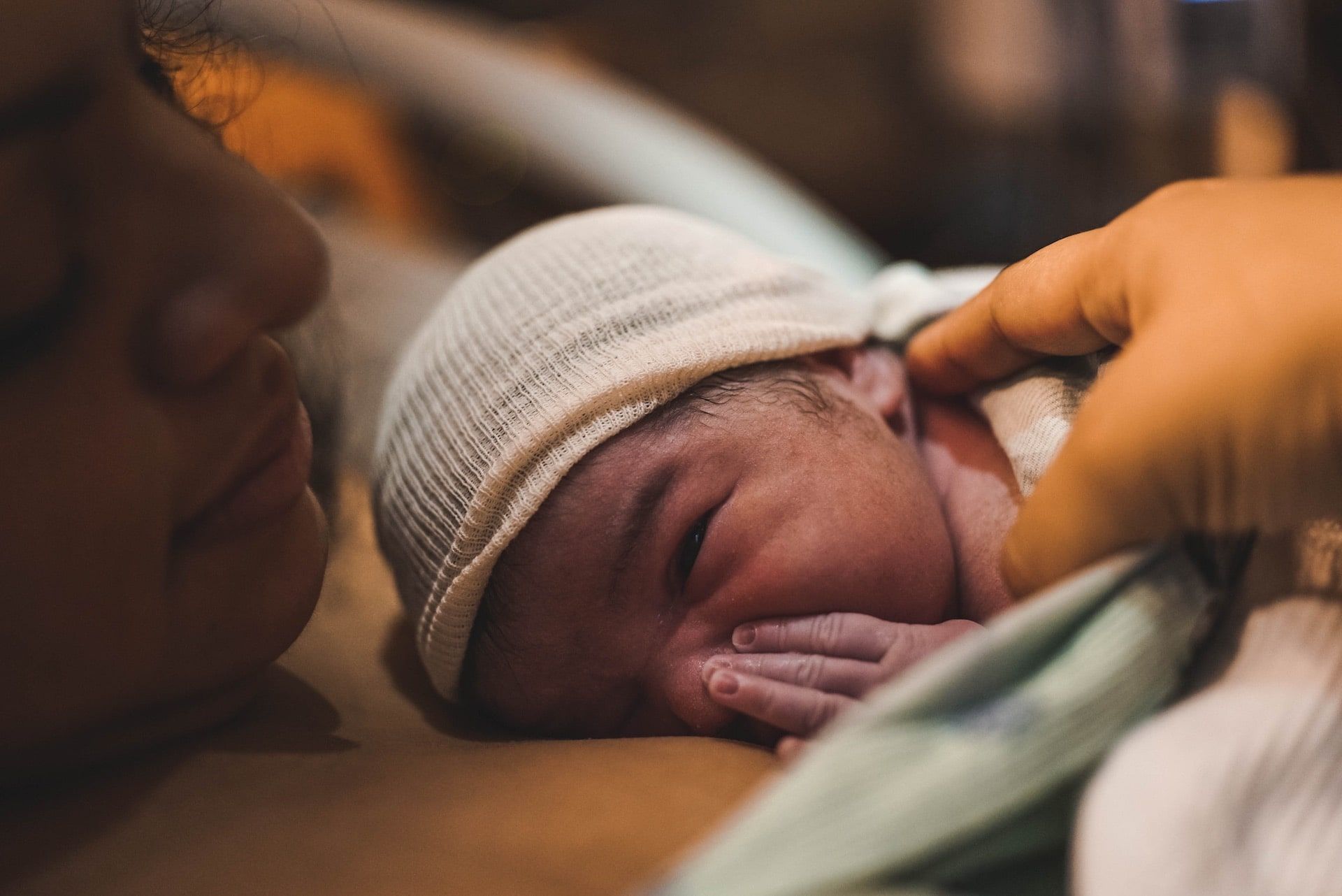
Preterm birth significantly increases the risk of developing various long-term health problems and developmental disorders. Touch is an important component of many perinatal care strategies. Neurobiologically, C-tactile fibers (CTs) are particularly involved. These are unmyelinated nerve fibers that are activated by light, dynamic touch. Targeted touch of the CTs activates the posterior insular cortex, which corresponds to an interoceptive function, and has been shown to lead to a decrease in heart rate and an increase in oxygen saturation. Manzotti et al. 2023 compared the effect of five minutes of stroking CT touch at optimal speed versus five minutes of static touch on autonomic markers in preterm infants aged 28 to 37 weeks of gestation. CT touch led to a greater increase in heart rate variability, which persisted for 5 minutes after the touch. Static touch showed no such increase. Conclusion: CTs signal the affective quality of nurturing touch, representing an additional neurobiological substrate for the clearly positive effects of tactile interventions in newborns and improving the effectiveness of such interventions. Manzotti A, Cerritelli F, Monzani E, Savioli L, Esteves JE, Lista G, Lombardi E, Rocca S, Biasi P, Galli M, Chiera M, McGlone FP. Dynamic touch induces autonomic changes in preterm infants as measured by changes in heart rate variability. Brain Res. 2023 Jan 15;1799:148169. https://pubmed.ncbi.nlm.nih.gov/36410429/






Radial Head Fracture: Osteopathic Treatment Step by Step
Torsten Liem, CEO of Osteopathie Schule Deutschland, is not only an expert in this field but also founded the Osteopathic Research Institute as well as