1. Regular sitting breaks, ideally every 30–60 minutes, and plenty of movement throughout the day.2. Pre-meal exercise: By exercising vigorously for about 5 minutes before eating, you activate your muscles – your so-called “muscle gland.” This then consumes blood sugar, and not only does the immune system have less energy, but the innate anti-inflammatory immune system also produces an anti-inflammatory, antibacterial, antiviral, and antifungal (against fungal diseases) protective substance – lactoferrin. This process ensures that the natural short-term inflammatory response after food intake is less pronounced than without exercise.3. Eat avocado, scampi, algae: These foods also contribute to a reduced inflammatory response after eating.4. Reduce bad fats and glycemic loads (trans fats, omega-6 fatty acids) and foods with a high glycemic load (carbohydrates per 100 grams): Consuming chips, fries, most ready meals, as well as sweets, soft drinks, fruit juices, bread, pizza, pasta, potatoes, etc., triggers inflammatory reactions. Eliminate or reduce them.5. Reduce meal frequency: Eat no more than 2–3 times a day so that the immune system is not constantly activated. Attention: Snacks count as a meal!6. Eat early in the evening: Have your last meal of the day no later than 7–8 PM in summer and no later than 5–6 PM in winter.7. Low carbohydrates with the last meal: This prevents the immune system from becoming overactive at night.8. Stress regulation and resolving accumulated problems.9. Get enough and good sleep: Adults generally need 7–9 hours.10. Address deficiencies: Omega-3 fatty acids, vitamin D, iodine, B vitamins, choline, proteins, Q10, etc. Most of these substances have anti-inflammatory effects and are essential for normal immune system function.11. Daily intake of: – Chlorella and Spirulina (approx. 3–4 grams/day each): These algae support the mitochondria in aerobic metabolism. – Saffron (up to 30 mg daily) can prevent immune system reactivation by inhibiting peripheral serotonin uptake. – Salvia officinalis (garden sage): This calms the immune system. Brew one to three cups of 1.5 grams each per day as tea, but not during breastfeeding, as it inhibits milk flow. Sometimes these measures may not be sufficient, especially if a low-grade inflammation has persisted for a long time. In such cases, it is advisable to consult a specialist. More on the topic: See The Osteopathy Self-Help Book





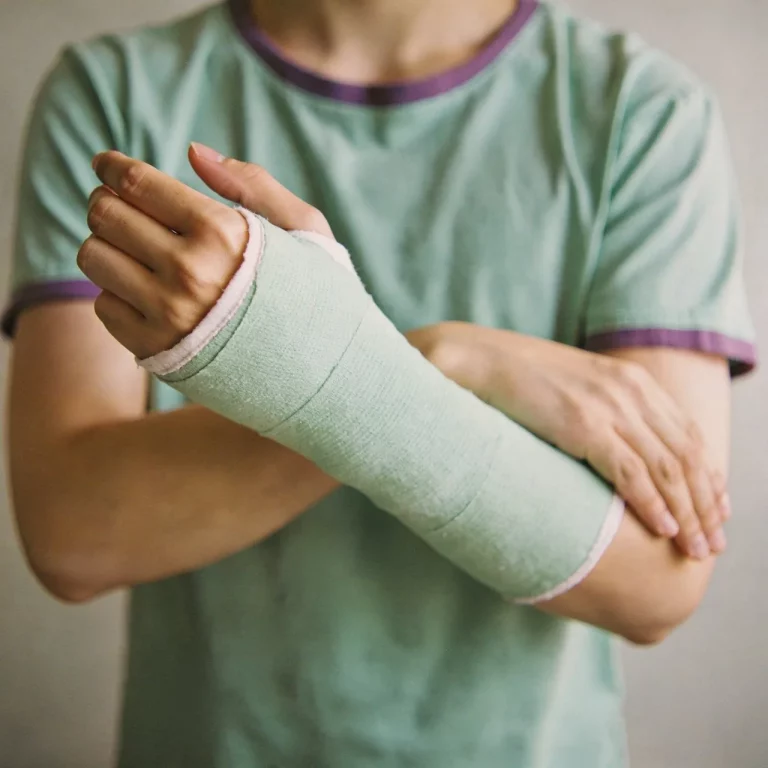
Radial Head Fracture: Osteopathic Treatment Step by Step
Torsten Liem, CEO of Osteopathie Schule Deutschland, is not only an expert in this field but also founded the Osteopathic Research Institute as well as