Introduction
Throughout our lives, we may be exposed to different types of stressors: physical, emotional, social, biochemical, metabolic, electromagnetic, or pathogenic stressors, as well as toxins and other environmental burdens. Our lifestyle also plays a major role here. Initially, our organism strives to resolve potential stressors. If this is not possible, we adapt. This is achieved through a variety of adaptive and physiological changes, including at the tissue level. This is called allostatic adaptation. However, this allostatic adaptation itself represents a certain challenge and burden for the body and is referred to as allostatic load. Depending on how long and how intensely the stressors act on us and how susceptible we are to them, our self-regulatory powers of adaptation become exhausted, and further chains of consequences arise in the body. From this perspective, complaints are partly to be understood as a deficit of dynamic interaction within the adaptive systems themselves and between them. Our body shows this through symptoms such as pain or discomfort, etc. For an experienced osteopath, this becomes recognizable in the change in the relationship between structure and function, possibly even long before the individual systems or structures suffer more severe damage. This craft or art of recognition through touch and “treatment” in the sense of supporting homeostasis and resolving dysfunctional key regions in the body—called somatic dysfunction—can only be achieved through constant practice.
Can osteopathy help with irritable bowel syndrome?
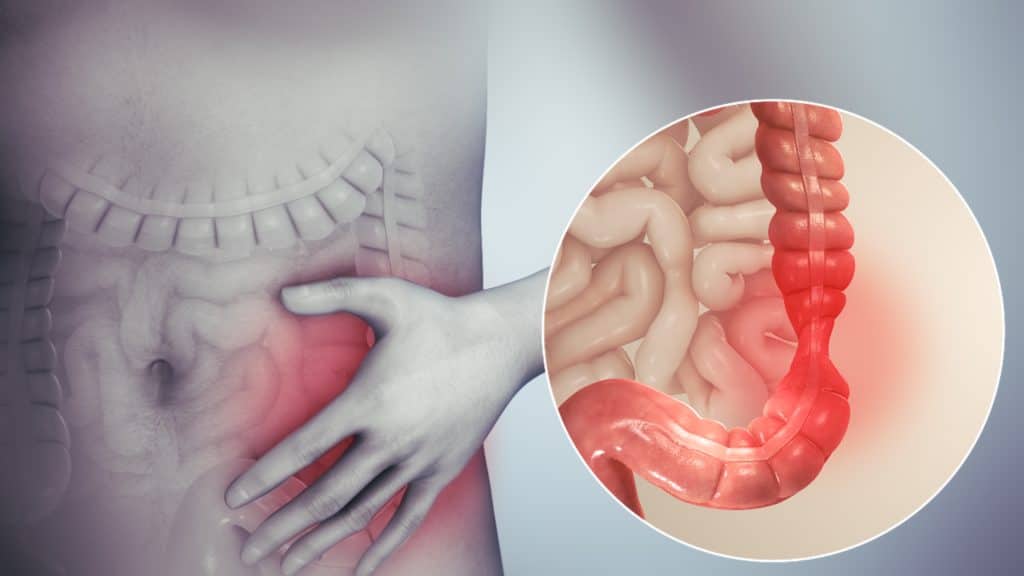
Throughout our lives, we may be exposed to different types of stressors: physical, emotional, social, biochemical, metabolic, electromagnetic, or pathogenic stressors, as well as toxins and other environmental burdens. Our lifestyle also plays a major role here. Initially, our organism strives to resolve potential stressors. If this is not possible, we adapt. This is achieved through a variety of adaptive and physiological changes, including at the tissue level. This is called allostatic adaptation. However, this allostatic adaptation itself represents a certain challenge and burden for the body and is referred to as allostatic load. Depending on how long and how intensely the stressors act on us and how susceptible we are to them, our self-regulatory powers of adaptation become exhausted, and further chains of consequences arise in the body. From this perspective, complaints are partly to be understood as a deficit of dynamic interaction within the adaptive systems themselves and between them. Our body shows this through symptoms such as pain or discomfort, etc. For an experienced osteopath, this becomes recognizable in the change in the relationship between structure and function, possibly even long before the individual systems or structures suffer more severe damage. This craft or art of recognition through touch and “treatment” in the sense of supporting homeostasis and resolving dysfunctional key regions in the body—called somatic dysfunction—can only be achieved through constant practice. In many functional bowel diseases where many factors interact and no histopathology is found, osteopathic treatment may be recommended—and possibly used in combination with other methods—such as irritable bowel syndrome (IBS), functional abdominal pain, pressure, constipation, diarrhea, vomiting, abdominal cramps in children, and breastfeeding problems in newborns. Some studies have shown that osteopathy can help with IBS symptoms. Research by Florance and colleagues (2012) https://bit.ly/3c1tdXe showed that osteopathy has a significantly higher positive effect on IBS symptoms compared to massage therapy. Similarly, a randomized crossover study by Attali et al. from 2013 https://bit.ly/3c1tdXe showed that general and local vibration on organs can improve IBS symptoms such as constipation, diarrhea, bloating, abdominal pain, and rectal pain sensitivity. The improvement continued even after one year.
How do osteopaths work with IBS and other digestive complaints?
Osteopathy is characterized by the fact that the treatment method is very individual for the patient. As a result, we treat the disease less—instead, we fully adapt the treatment to the characteristics of the patient and the context in which they live. This means, for example, that 10 patients who have the same IBS symptoms may experience 10 completely different treatments. For one patient, the focus is on the nerve supply to the gut, while for another patient, the focus is on posture, the immune system, and the motor function of the jaw or gut. Multiple components can interact here, and this interaction can reduce the patient’s so-called allostatic load. Therefore, it is not a matter of fighting or eliminating a single cause, such as a bacterium. The purpose of the treatment is to improve the milieu in which a disease manifests, using the five osteopathic models to interact and improve adaptability. These are the biomechanics of posture and movement; second, the respiratory and cardiovascular system; third, the metabolic system, including the immune and endocrine systems; fourth, the nervous system with the brain, peripheral, and autonomic nervous systems; and fifth, biopsychosocial adaptations. Here, for example, a more upright posture can improve the nerve supply to the gut, e.g., stimulation of the vagus nerve in the area of the craniocervical junction, the ear, cranial sutures, or the parasympathetic nervous system in the area of the sacrum, or inhibition of the sympathetic nervous system by relaxing the thoracic spinal segments. Deepened breathing can positively influence intestinal peristalsis. The mobility of individual intestinal regions can also be tested and treated with regard to breathing. Or intestinal segments can be palpated with regard to their intrinsic motion. A more relaxed diaphragm could improve the many passage points to the digestive tract, such as abdominal vessels, lymphatics, nerves, etc. Improved posture, breathing, and vagus nerve stimulation could also work together to somewhat reduce the experience of strong, stressful emotions, which in turn could affect the gut. Improved posture, breathing, and vagus nerve stimulation can also work together to reduce the experience of emotions with high stress, which could manifest in the gut. Or the relaxation of a contracted and shortened psoas muscle—a hip flexor—on which parts of the large intestine lie, can affect the gut. Treatment of the mesentery, the mesosigmoid, or the radix of the transverse mesocolon—these are suspensory structures of the gut containing vessels and nerves—can optimize the supply and innervation of the gut. Attempts can also be made to mobilize local sliding surfaces, e.g., between the large and small intestine, between the transverse colon and stomach, or between the ascending and descending colon and the back, or a ligamentous attachment from the right colic flexure to the lower right ribs. The resolution of somatic dysfunctions in the spine can improve sensitization in the dorsal horn of the spinal cord. There, pain substances can be released in the synapses and potentially trigger dysfunctional relationships between organ, spinal segment, muscle, and skin segment, or positively reinforce pain and tension between them, or even sensitize the entire nervous system, which is called central sensitization. In osteopathy, therefore, not only the affected region is treated, but often also distant regions, precisely because these may impair bowel function, such as neck or knee problems. Here, non-linear causal chains are in the foreground. A variety of interventions, although each intervention itself has almost no obvious effects, can improve IBS symptoms in their interaction with other techniques. The anamnesis provides information about possible risk factors that can accumulate during life until the patient finally shows symptoms of irritable bowel syndrome. This is very important because the risk factors for each disease are different, and their presence increases disease susceptibility to the corresponding illness. Sometimes this can reach back to birth or even pregnancy. Information in the medical history is important because the risk factors of every disease are known from the epidemiology of these diseases, and eliminating these risk factors through lifestyle changes supports healing. The explanation of these processes plays a major role in treatment, as it allows patients to regain control over their symptoms. In addition to observation, examination, and testing, the art of osteopathic touch constantly switches back and forth between general examination and treatment approaches—such as rhythmic mobilization of all joints or whole-body vibration—to very local approaches and techniques. Specifically, for example, a vessel, a nerve, or an organ connection could be improved in its sliding ability, elasticity, density, tension, or mobility. In doing so, the patient’s own bodily rhythms can be utilized or certain tissues can be drained. If tensile stresses are perceived in a certain direction, e.g., from the right colic flexure and transverse colon to the liver, the liver, its position, shape, tension, volume, density, mobility, and its arteries, veins, lymphatic vessels, and neural innervations, its relations to the spine and muscles, to statics, etc., and of course the suspensions and sliding surfaces, e.g., from the liver to the large intestine, can be palpated and treated with the hands. Should the palpation of tissue tension also be accompanied by a certain emotional or neurovegetative arousal in the patient, this could also potentially be included in the treatment if the osteopath has acquired competencies in this area. Treatment is always individual. It is not so much the irritable bowel that is treated, but rather the patient who shows IBS symptoms. Furthermore, other findings are also essential. For example, in IBS, there may also be a deficiency of beta-glucuronidase or small intestinal bacterial overgrowth (SIBO). This must be clarified. Furthermore, it must be determined whether supplementation of pancreatic enzymes is necessary.
Self-help exercises to improve digestion
The following exercises can be applied.
- Move a lot
- Free breathing
- Relaxation techniques, e.g., body scan or progressive muscle relaxation or meditations, etc.
- A balanced, vegetable-rich, fiber-rich diet helps digestion in general
- Avoidance of foods that are not good for you, such as potentially
- Dairy products
- Legumes
- Coffee
- Cabbage varieties
- The abdominal cavity can also be relaxed by forming the sound “O” with the exhalation while directing attention to the space in the abdominal region.
- To calm the gut, place your hands on both sides of your abdomen. Place them around the navel so that the thumbs touch and the hands form a downward-pointing triangle. You can breathe gently into the area between your hands three to six times. Perhaps you can feel the movement of the gut with your hands during breathing, e.g., a lowering and forward movement during inhalation and an upward and backward movement during exhalation. Finally, the hands can conduct heat and energy into the gut while following the minimal movements of the gut.
I have described further exercises in my book “Osteopathy – the targeted solution of blockages” and here on the blog.
Osteopathy for childhood digestive disorders
A 2012 study by Dobson et al. https://bit.ly/2TrGmCz found that parents noted children who received osteopathic treatment cried significantly less, although overall the number of well-conducted studies was insufficient to clearly assess the extent to which osteopathy helps. Osteopathy showed improvements in bowel movements in children (Nemett and colleagues, 2008) https://bit.ly/3fty0CY and in childhood constipation (Tarsuslu and colleagues, 2009) https://bit.ly/2TlqO2Z. Osteopathic treatment of premature infants also appears to reduce the high incidence of gastrointestinal symptoms as well as the excessive stay in the intensive care unit for premature infants (Pizzolorusso and colleagues, 2011) https://bit.ly/2R2S063 and to improve nutrition (Vismara and colleagues, 2019) https://bit.ly/2TsjkLO
Related to the topic: Interview with Torsten Liem “How does osteopathy help with IBS?” at digestio.de