A 2023 article aims to explore the beneficial effects of music on the healing process in traumatic injuries, focusing on how music can help control pain, reduce stress and anxiety, and improve overall well-being in patients undergoing treatment for traumatic conditions.Research Methods and Results The article reviews various scientific studies and clinical trials that have investigated the impact of music on pain management, stress reduction, and the healing process in patients with traumatic injuries. One study found that listening to music significantly reduced pain and anxiety in patients who had undergone orthopedic surgery, suggesting that music can be a useful complementary therapy to pharmacological treatments. Another study reported improvements in bone density and muscle strength in patients with osteoporosis who regularly listened to music compared to a control group. The article also highlights the positive effects of perioperative music in reducing postoperative delirium in patients undergoing surgery for proximal femur fractures. ConclusionA 2023 article concludes that music therapy can be a valuable complementary treatment for managing pain, reducing stress, and improving overall quality of life in patients with traumatic injuries. However, it also notes that more research is needed to fully understand the mechanisms through which music exerts its therapeutic effects and to identify the best ways to integrate music therapy into clinical practice.
Weaknesses and StrengthsA major strength of the article is its comprehensive review of existing studies, which provides a broad understanding of the potential benefits of music therapy in various clinical settings. A weakness is the lack of conclusive evidence regarding the neurochemical effects of music, indicating a need for further research in this area. Reflection on the Main ArgumentsThe main argument is that music can serve as an effective complementary therapy for managing pain and stress in patients with traumatic injuries, thereby improving their overall well-being and supporting the healing process. The article also emphasizes the importance of personalizing music therapy to match individual patient preferences in order to maximize its therapeutic benefits. Relation to My Own StudyIf your work as an osteopath focuses on pain management, stress reduction, or rehabilitation in patients with traumatic injuries, the findings of this article can provide valuable insights into the potential benefits of incorporating music therapy into your treatment protocols. The article’s emphasis on personalized music therapy can also guide you in designing patient-specific interventions to enhance therapeutic outcomes.Basile G. (2023). Beneficial effects of music in the healing process of traumatic injuries: perceptual control of suffering and possible abatement of disability conditions. La Clinica terapeutica, 174(6), 531–536. https://doi.org/10.7417/CT.2023.5021




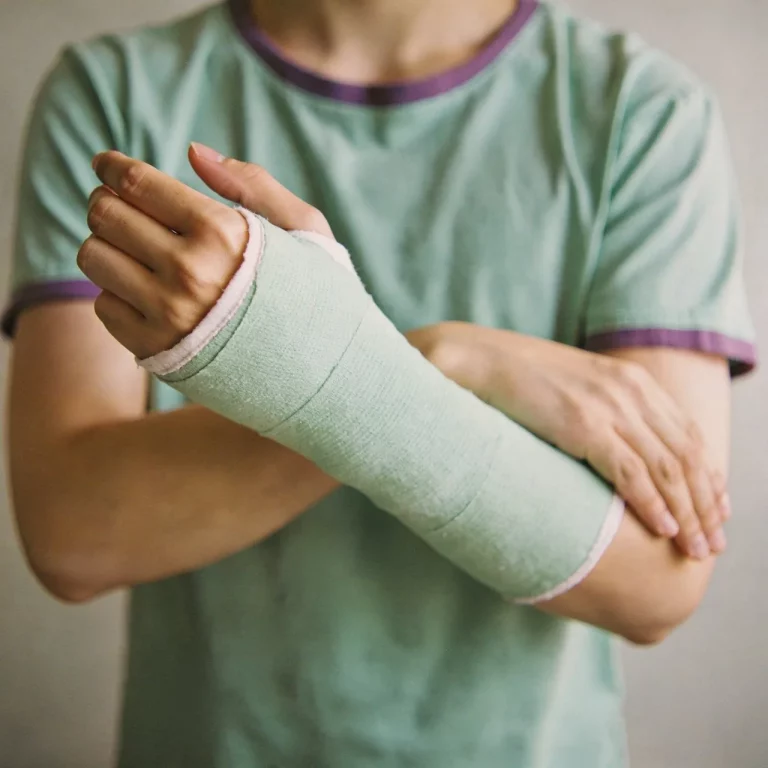
Radial Head Fracture: Osteopathic Treatment Step by Step
Torsten Liem, CEO of Osteopathie Schule Deutschland, is not only an expert in this field but also founded the Osteopathic Research Institute as well as